
Car fuel filler neck and fuel vapor management explained
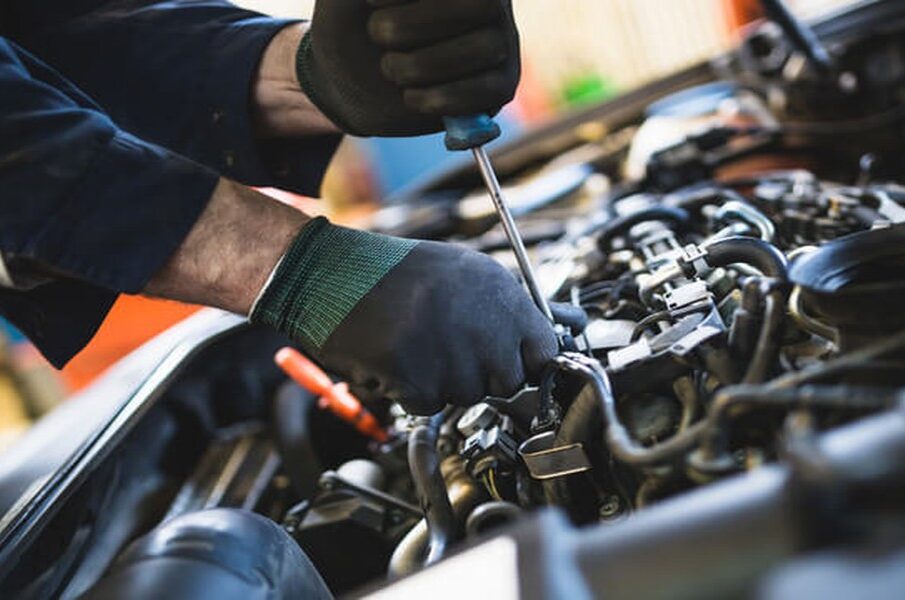
The car fuel filler neck serves a vital role. This metal or plastic pipe connects the gas cap to the fuel tank. It acts as a primary gateway for gasoline during every visit to the station. Modern vehicles rely on this component for safety and efficiency. Most drivers ignore this part until a problem arises. Proper maintenance ensures that fuel flows smoothly without any dangerous leaks. You should trust experts like Town Center Auto Repair for any necessary inspections or repairs. Reliable systems prevent environmental hazards and protect your vehicle from long-term damage.
The Structural Role of Filler Necks
The filler neck must withstand constant exposure to harsh chemicals. Now high quality materials prevent corrosion from the inside out. Manufacturers design these tubes with specific bends to fit the chassis. Sometimes road debris or salt causes the exterior to rust. A tiny hole in the metal allows dangerous fumes to escape. This damage often triggers the check engine light on the dashboard. You will notice a strong smell of gasoline near the rear wheel. The technicians at Town Center Auto Repair identify these thin cracks during routine service. New replacements ensure a tight seal for the entire fuel assembly.
Understanding the Evaporative Emission System
Fuel vapor management is a complex process within modern automobiles. The system captures raw gasoline fumes before they reach the atmosphere. These vapors travel through small vent lines connected to the neck. Now a charcoal canister stores the gases for later use. This process reduces air pollution and improves overall fuel economy. The engine burns these trapped vapors during normal driving conditions. But a faulty valve can disrupt this delicate balance of pressure. You might experience difficulty starting the engine after refueling the tank. The professional team at Town Center Auto Repair handles these sensitive electronic sensors with care.
Common Signs of Component Failure
A failing filler neck presents several obvious symptoms to the driver. You might see liquid fuel dripping onto the ground during fill ups. Sometimes the gas pump nozzle clicks off repeatedly before the tank is full. This happens when the internal vent tube becomes blocked or pinched. Pressure builds up quickly and stops the flow of incoming gasoline. Now the vehicle may fail a standard state emissions test. A cracked neck allows moisture to enter the fuel storage area. This water contamination leads to poor engine performance and stalling. You should seek a Auto Repair in Highlands Ranch, CO specialist to diagnose these specific issues.
The Science of Vapor Pressure
The fuel tank maintains a specific level of internal pressure. Specialized valves regulate the movement of air and gas fumes. Now the filler neck housing supports these critical relief valves. They prevent the fuel tank from collapsing or expanding too much. Heat causes gasoline to expand and create more vapor pressure. The management system directs this excess energy back to the intake. But a leak in the neck ruins this vacuum seal completely. The computer senses a pressure drop and records a fault code. Proper diagnosis requires specialized smoke machines to find the exact leak. Detailed inspections save you money on unnecessary part replacements over time.
Maintenance and Long Term Care
Regular inspections of the undercarriage protect the fuel system integrity. You should look for signs of heavy rust or dampness. Now cleaning the area around the gas cap prevents dirt entry. Debris can fall into the tank and clog the pump. But most owners forget about these hidden metal components entirely. Severe weather conditions accelerate the wear on rubber hoses and seals. Professional mechanics check these connections during every major oil change interval. Keeping the system sealed preserves the octane rating of your gasoline. Efficient vapor management keeps the air clean for everyone in the community.
Safe driving requires a fully functional fuel delivery and recovery system. The filler neck remains a silent hero in your daily commute. Now you understand how it manages liquid fuel and toxic vapors. Simple parts perform huge tasks under the frame of your car. But neglect leads to expensive repairs and potential safety risks. You must address fuel smells or leaks immediately to avoid hazards. Trusting skilled professionals ensures your vehicle stays on the road for years. A healthy fuel system provides peace of mind and better gas mileage. Protect your investment by paying attention to these vital automotive components.