How to Build the Ultimate Adventure-Ready SUV Setup
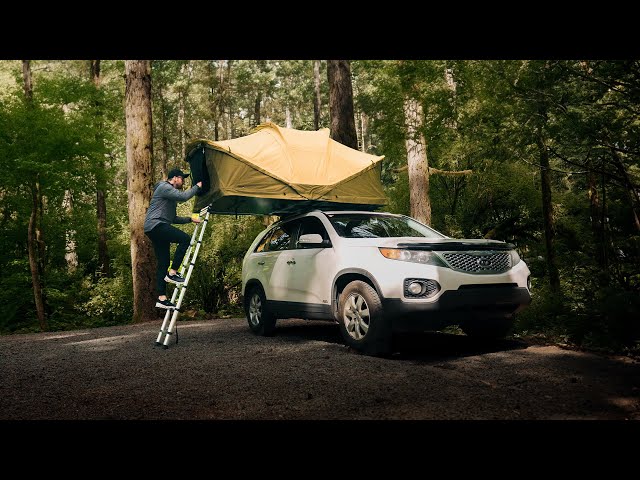
There’s something deeply satisfying about turning a regular SUV into a weekend escape machine. Not a mall-crawler. Not a pavement princess. I’m talking about a vehicle that’s ready for trailheads at sunrise, desert backroads at dusk, and that last-minute “let’s just go” text on a Thursday night.
The good news? You don’t need to go full overland influencer to get there. A few smart upgrades-done intentionally-can completely transform how your SUV performs and feels on adventure weekends.
I’ve built out a few rigs over the years (and made plenty of mistakes along the way), so here’s what matters when you’re building the ultimate adventure-ready SUV.
Start With the Foundation: Suspension and Tires
Before you bolt anything onto the roof or hitch, think about what’s touching the ground.
Upgrading your suspension-even modestly-can make a huge difference in ride quality and control, especially if you’re loading up gear or heading onto forest service roads. You don’t necessarily need a massive lift. In fact, for most people, a mild leveling kit or upgraded shocks is more than enough.
Tires, though? That’s where you’ll feel it immediately.
An all-terrain tire gives you better traction on gravel, mud, and snow without sacrificing too much highway comfort. If you’re not sure where to start, the tire guides at places like Tire Rack are helpful and not overly salesy. I’ve used them more than once when trying to decide between something aggressive and something livable.
Here’s the thing people forget: every accessory you add later will depend on how stable and capable your SUV is underneath. Start there.
Dial In Your Roof Setup (But Don’t Overdo It)
Roof racks look cool. There, I said it. A well-built rack with recovery boards and a cargo box just feels adventurous.
But let’s be honest: if you overload your roof, you’ll feel it in crosswinds, fuel economy, and garage clearance.
A low-profile rack is usually the sweet spot. Add crossbars if you want flexibility. A rooftop cargo box works great for lighter, bulky items-sleeping bags, jackets, that stuff that somehow multiplies when you’re traveling with family.
If you’re hauling kayaks or skis, this is where your roof setup really shines. Just keep weight distribution in mind. The higher the weight, the more it affects handling.
Pro tip: Check your vehicle’s dynamic roof load rating in your owner’s manual. Most people never do. It matters.
Rear Hitch Utility Upgrades for Cyclists and Trail Riders
This is where things get interesting.
If you’re into mountain biking (or even just weekend path rides with the kids), how you carry your bikes changes everything about your trip. I’ve done roof racks. I’ve done trunk straps. I’ve done the awkward “borrowed rack that barely fits” thing.
Hitch-mounted systems are, hands down, the most practical solution for most SUVs.
Vertical hitch systems, in particular, have become more popular because they’re compact and make loading multiple bikes less of a puzzle. For riders who want fast loading and full rear visibility, systems like VelociRAX bike racks offer a space-efficient alternative to traditional tray-style carriers.
The big advantage? You’re not lifting bikes overhead, and you’re not adding height to your vehicle. If you’ve ever forgotten bikes were on the roof and pulled into a parking garage… yeah. You only do that once.
Plus, keeping bikes at the rear maintains better aerodynamics compared to roof-mounted options. According to FuelEconomy.gov, roof cargo can significantly reduce MPG due to drag. Hitch-mounted systems tend to be more efficient in that respect.
If biking is part of your lifestyle, your hitch setup isn’t an afterthought. It’s core infrastructure.
Smart Cargo Management Inside
Adventure builds fail when the interior turns into chaos.
You know the scene: coolers sliding around, backpacks piled on top of tools, someone’s boot mysteriously wedged under a seat.
Drawers, storage bins, and seat-back organizers are game changers. I’m a big fan of modular storage that you can reconfigure depending on the trip. Weekend camping? One layout. Snow trip? Another.
Soft-sided bins with labels work better than you’d think. It’s not glamorous, but knowing exactly where your headlamp is when the sun drops early? That’s worth it.
If you want inspiration, REI’s expert advice section (like this camping gear checklist: REI Camping Checklist) is surprisingly useful for thinking through what actually needs a home in your vehicle.
Organization isn’t sexy. But it’s powerful.
Lighting That Actually Helps
Factory headlights are fine. Until they’re not.
If you’re regularly driving dark backroads or heading out before sunrise, upgraded LED headlights or auxiliary lighting can increase visibility and reduce fatigue. You don’t need a full Baja race setup. Even modest ditch lights or a slim light bar can help in low-light conditions.
Just make sure they’re properly aimed and legal in your state. Blinding oncoming traffic isn’t adventurous-it’s obnoxious.
Recovery Basics (Even If You’re Not “Overlanding”)
You don’t need to be crawling Moab slickrock to justify basic recovery gear.
A quality recovery strap, portable air compressor, and traction boards can turn a minor setback into a 10-minute inconvenience instead of a two-hour ordeal.
I once got stuck on a sandy trail that looked harmless. It wasn’t. A simple traction board would’ve saved a lot of digging and ego bruising.
Even if you never use the gear, the peace of mind is worth it.
Power and Charging Solutions
Modern adventures require modern power.
Phones. GoPros. Portable fridges. Air pumps. Somehow everything needs charging.
Adding a secondary battery system might be overkill for some, but at minimum, consider a reliable power station. Brands like Jackery or EcoFlow have made this ridiculously simple. Plug it in at home, toss it in the back, and you’ve got portable power without wiring your whole vehicle.
It’s one of those upgrades you don’t realize you needed until you have it.
Comfort Upgrades That Make You Stay Longer
Here’s a controversial take: comfort matters more than extreme capability.
If your SUV is comfortable, you’ll use it more.
Window shades for sleeping in the back. A good awning for shade. All-weather floor mats. Seat covers you don’t mind getting dirty. These little things extend trips and lower friction.
Adventure isn’t always about conquering terrain. Sometimes it’s about making it easy to say, “let’s stay one more night.”
Keep It Purpose-Driven
The biggest mistake I see? People building a vehicle for Instagram instead of for their life.
Before you buy anything, ask:
- What do I actually do on weekends?
- How many people usually come?
- Am I hauling bikes, skis, paddleboards-or just camping gear?
Build around your real habits.
An adventure-ready SUV isn’t about the most accessories. It’s about the right ones. Suspension and tires for capability. Smart roof and hitch setups for gear. Organized storage for sanity. A few comfort upgrades so you enjoy the ride.
Done right, your SUV becomes more than transportation. It becomes part of the experience-the quiet partner in every sunrise trailhead, every dusty detour, every spontaneous road trip.
And honestly? That’s the whole point