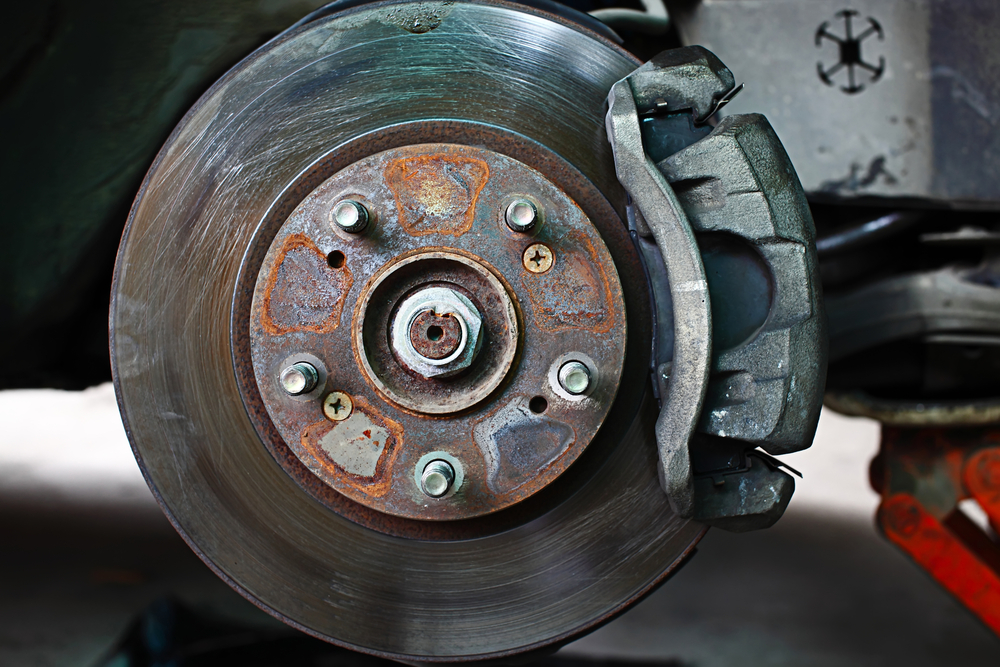
Why Your Car Makes a Squeaking Noise Over Speed Bumps
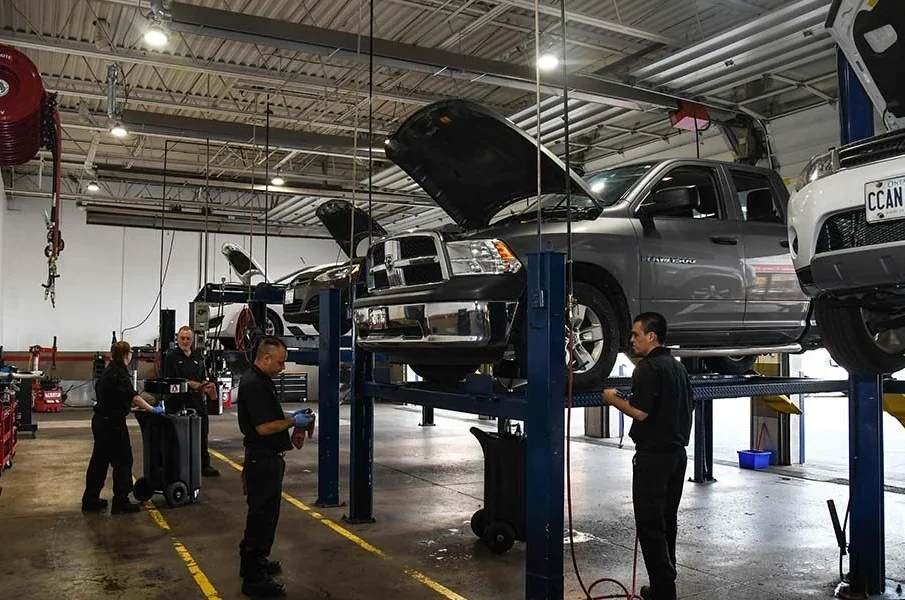
The car may produce a noticeable squeaking noise when crossing speed bumps slowly. This sound often comes from suspension components moving under changing pressure. Now the noise can appear during normal driving without creating immediate handling problems. Understanding common causes helps identify when professional inspection may become necessary.
Dry or Damaged Ball Joints May Produce Unusual Noise
Ball joints allow controlled movement between suspension components while supporting wheel movement. These joints normally require proper lubrication and strong protective seals for smooth operation. When lubrication becomes insufficient friction can increase inside the joint. A damaged protective boot can also allow dirt and moisture to enter. The contamination may gradually affect the joint and create unwanted sounds. Sometimes squeaking becomes noticeable when the vehicle moves slowly over raised surfaces. However, noise may also appear while turning or driving across uneven roads. EAS Tire & Auto can inspect the suspension system to determine whether ball joint wear exists.
Shock Absorber Mounts May Cause Squeaking During Compression
Shock absorbers control suspension movement and help maintain stable contact with the road. Their mounting points also experience considerable movement during everyday driving conditions. Worn mounts can develop friction when the suspension moves upward or downward. This friction may produce squeaking when crossing speed bumps at reduced speeds. Sometimes the sound may seem to come from inside the cabin. Yet the actual source can remain around the upper suspension mounting area. Now damaged mounts may also contribute to vibration or unusual suspension movement. EAS Tire & Auto can examine mounting points and related components for visible deterioration.
Environmental Conditions Can Make Existing Suspension Noise Louder
Weather and road conditions can influence how suspension components behave during movement. Cold temperatures can make rubber components less flexible during initial driving. Moisture can also temporarily change friction between certain suspension surfaces. So, a squeak may become more noticeable after rain or overnight parking. However, temporary noise does not always indicate serious mechanical damage. Persistent sounds should still receive proper attention because wear can gradually progress. The sound may also become louder when driving repeatedly across rough roads. Professional inspection remains useful when unusual noise continues after normal conditions return. Auto Repair in Lakewood, CO service can help identify the actual source through detailed suspension inspection.
Conclusion
A squeaking noise over speed bumps should never be ignored when it becomes persistent. The suspension system contains several moving components that work together continuously. Now unusual sounds can provide an early indication that one component needs attention. Early inspection can help prevent minor wear from affecting surrounding suspension parts. This approach can also support smoother driving and more predictable vehicle handling. EAS Tire & Auto can assess the suspension system and recommend appropriate repair based on findings. Therefore, identifying the source early can help maintain comfortable and reliable everyday driving.