
How Classic Car Engineering Defined an Entire Generation
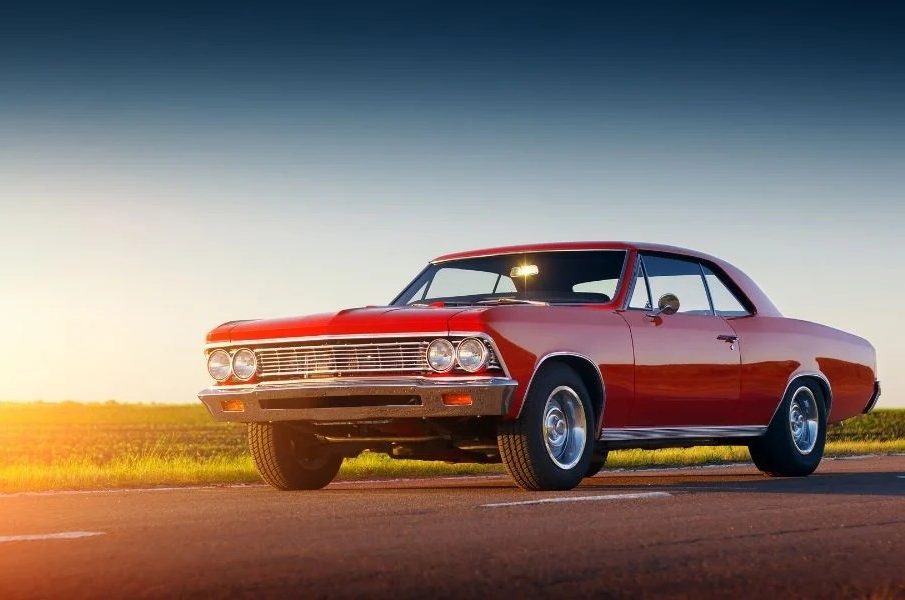
The Foundation of Classic Car Engineering
Modern automotive design and performance are the results of classic car engineering, especially in the 1950s up to the beginning of the 1970s. The engineers of this period concentrated on the construction of strong, powerful, and aesthetically appealing cars with a comparatively simple mechanism. Discussions around authenticity, such as how to identify a real Mustang Boss 429, highlight the lasting impact and collector interest these classic machines continue to generate. These cars would not have been as advanced as they are today without the advanced electronics that are being used in the current generation of cars. This practical style did not merely characterise the cars but also how a whole generation of people learnt how to drive.
Focus on Power and Performance.
Power was one of the most characteristic features of classic car engineering. In a focus on providing high acceleration and high speed, automakers focused on large displacement engines, mainly V8S. Cars such as the Pontiac GTO and the Ford Mustang became the symbols of a performance-oriented attitude. These cars were meant by engineers to give maximum horsepower (at the cost of fuel efficiency) which portrayed the then-day priorities and aspirations.
Mechanical Purity and Simplicity.
The mechanical system of classic cars was not complex and thus easy to comprehend, repair and modify. This simplicity enabled the owners to have a stronger attachment towards their cars because they could do repairs and upgrades themselves. In contrast to modern vehicles which depend on computerisation to a great extent, classic cars provided a more direct and interactive experience when it comes to driving, something that was cherished by both amateurs and ordinary people.
Here Innovation Within Limitations.
In spite of this, the engineers of the classic period were highly innovative even in the absence of modern technology. They also tried carburettors, suspension and aerodynamic designs to enhance performance and handling. The time constraints tended to give rise to inventive decisions, and new engineering solutions were developed, which are still used in automotive design.
Influences of Culture on a Generation.
Classic car engineering was a great influence in modelling the culture of a whole generation. Automobiles had more than just a method of transportation- they represented freedom, identity and status. The excitement of driving fast and the sound of a strong engine became elements of the youth culture. This cultural association aided in creating a long-term heritage that still reverberates with car lovers worldwide.
Impact on Contemporary Car Design.
Modern automobiles still follow the principles of classic car engineering. The modern-day performance vehicles are inspired by the past with reference to their designs and methods of engineering. Rear-wheel drive, high-powered engines and flamboyant styling are some of the features that can be traced back to this period. In spite of the technological development, the spirit of traditional engineering has been used as the reference to performance and genuineness.
The Legacy of Craftsmanship
The other characteristic attribute of classic car engineering was the focus on craftsmanship. Cars were designed to be detailed and concentrated on longevity. Such a high degree of craftsmanship made sure that numerous classic automobiles are still in operation and are admired several decades later. The fact that these machines were built with great pride also helped to make them popular and relevant in history.
Conclusion
A whole generation of engineering was made by the combination of power, simplicity, invention, and cultural impact of classic cars. These cars were not only the product of the epoch, but they also represented a way of life and ideology.