Common Maintenance Mistakes That Leave St. George Drivers Stranded
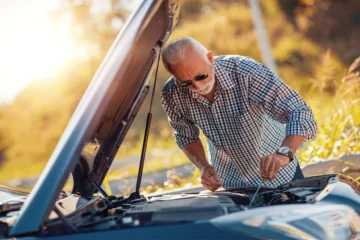
A vehicle can seem reliable until it refuses to start in a parking lot, overheats on Bluff Street, or throws a warning light halfway to Zion. For St. George drivers, maintenance helps prevent heat-related breakdowns, battery failures, tire trouble, and repair bills in a region where summer temperatures, long drives, and dusty roads punish neglected vehicles fast.
Most breakdowns do not start with one dramatic failure. They come from small maintenance mistakes that build over time. Here are the common ones local drivers should avoid.
Ignoring Oil Changes Until the Engine Complains
Oil lubricates the engine, controls heat, reduces friction, and carries contaminants away from moving parts. In a hot desert climate, old oil breaks down faster, especially when a vehicle idles often, tows, climbs grades, or sits in stop-and-go traffic.
The mistake is waiting for symptoms. By the time an engine knocks, runs rough, or shows low oil pressure, damage may already be expensive. Sludge buildup, worn bearings, and poor lubrication can turn a basic oil service into a major repair.
Follow the service interval for your vehicle, but adjust for real-world use. Short trips, heavy heat, mountain routes, and dusty roads may require service sooner than the maximum mileage listed in the manual.
Treating the Battery Like a Winter-Only Problem
Cold weather gets blamed for battery failure, but extreme heat is often harder on batteries. St. George summers can shorten battery life by speeding up internal corrosion and fluid evaporation. A battery that seemed fine in May can leave you stranded in July.
Warning signs include slow cranking, dim interior lights, clicking when starting, or electronics acting strangely. Still, many batteries fail with little notice, especially once they are three or more years old.
Have the battery tested before peak summer heat and again before winter travel. A simple load test can reveal a weak battery before it fails at work, in a parking lot, or during a family trip.
Forgetting That Tires Are Safety Equipment
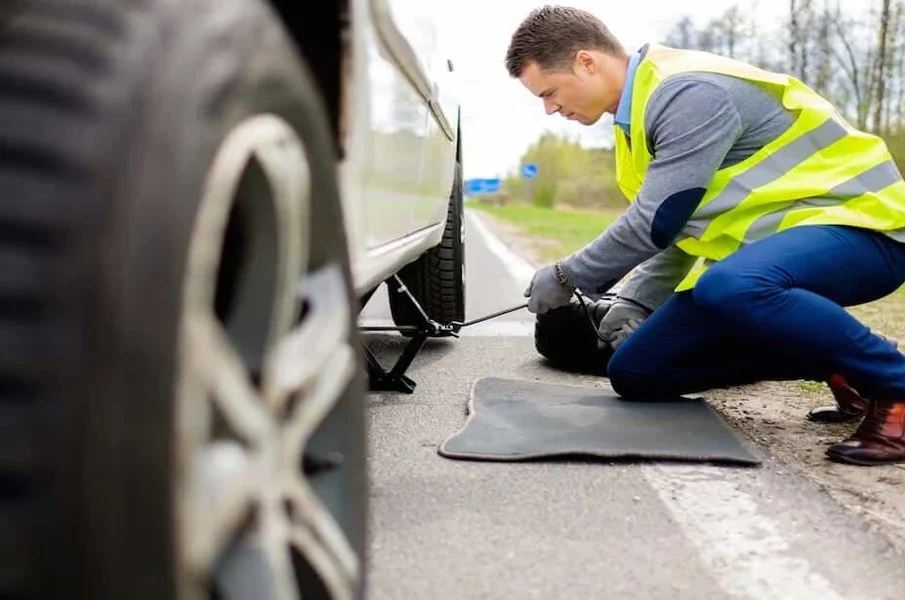
Tires often get attention only after one goes flat. That is a costly mistake. Tire pressure, tread depth, alignment, and rotation all affect braking distance, fuel economy, ride comfort, and control.
Heat increases tire pressure, while cooler mornings can make readings drop. Underinflated tires flex more, build heat faster, and are more likely to fail. Overinflated tires can wear unevenly and reduce traction.
Check tire pressure monthly and before longer drives. Inspect for uneven wear, cracks, bulges, nails, and low tread. If the steering wheel shakes or the vehicle pulls to one side, do not ignore it. Alignment or balance issues can ruin tires early and create handling problems.
Letting Coolant Problems Build Quietly
An overheating engine can turn a normal errand into a tow truck call. In Southern Utah, the cooling system works hard. Radiators, hoses, thermostats, fans, and coolant all have to keep the engine within a safe temperature range.
One common mistake is topping off coolant repeatedly without finding the leak. Another is using the wrong coolant type or mixing incompatible fluids. Drivers may also ignore small puddles, sweet smells, or a temperature gauge that runs hotter than normal.
Cooling system issues rarely fix themselves. A weak hose, failing cap, clogged radiator, or low coolant level can escalate quickly in summer. If the temperature gauge rises or coolant disappears between services, schedule an inspection promptly.
Skipping Brake Inspections Until There Is Noise
Brake noise is not the only sign of trouble. A soft pedal, vibration, longer stopping distance, burning smell, or pulling while braking can all point to problems. Waiting for grinding usually means the pads are worn far enough to damage rotors.
St. George driving can involve steep grades, sudden slowdowns, and high heat. Brakes that feel acceptable around town may perform poorly when descending hills or carrying extra passengers and cargo.
Routine brake inspections can catch worn pads, leaking calipers, warped rotors, and old brake fluid before safety becomes the issue. For business owners with work vehicles, this matters even more. A brake-related breakdown can cost a full day of productivity and customer trust.
Overlooking Belts, Hoses, and Filters
Some of the cheapest parts on a vehicle can cause the most inconvenient failures. A cracked serpentine belt can affect the alternator, power steering, water pump, or air conditioning. A split hose can dump coolant quickly. A clogged air filter can reduce performance and fuel economy. A neglected cabin filter can make the interior dusty and unpleasant.
These parts are easy to forget because they are not always visible during daily driving. Periodic inspections help catch cracking, swelling, glazing, leaks, and restricted filters before they create roadside trouble.
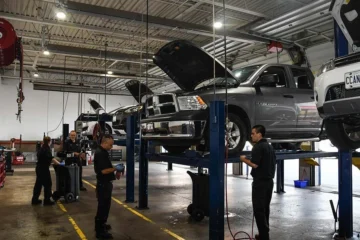
If you rely on your vehicle for work, school runs, appointments, or customer visits, preventive inspection is usually cheaper than emergency service. For local help with auto repair St George UT, choosing a provider that understands desert driving conditions can make maintenance more practical and timely.
Waiting Too Long After a Warning Light
A warning light does not always mean the vehicle must stop immediately, but it should never be ignored. The check engine light, oil pressure light, battery light, brake warning, and temperature warning all point to systems that can become expensive quickly.
The biggest mistake is guessing. Some drivers tighten the gas cap and forget about it. Others keep driving for weeks because the vehicle “feels fine.” Modern vehicles can compensate for problems temporarily, masking issues until damage spreads.
A diagnostic scan gives a starting point, but the code is not the full diagnosis. The real value comes from identifying the cause, confirming the repair, and preventing repeat failures.
Building Better Habits Before the Next Breakdown
Good maintenance does not require obsessing over every sound. It requires a steady rhythm: check fluids, watch tire pressure, test the battery, inspect brakes, change oil on schedule, and respond early when something feels different.
For St. George drivers, seasonal timing helps. Test the battery and cooling system before summer. Check tires before long road trips. Inspect wipers, lights, and brakes before winter travel or holiday driving. Review maintenance records before the vehicle becomes overdue on multiple services at once.
The goal is simple: fewer surprises, fewer tow bills, and more confidence every time the vehicle starts. Most stranded-driver stories begin with a small warning that was easy to overlook. Catching those warnings early keeps your vehicle, schedule, and budget on track.