Common Symptoms of a Failing Turbocharger You Shouldn’t Ignore
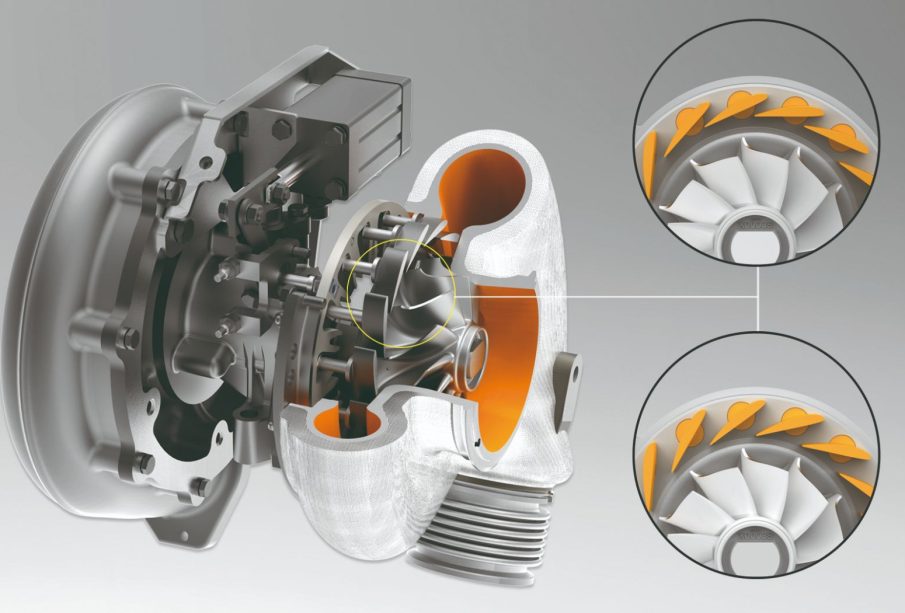
A turbocharger is a vital component in modern engines, boosting power and improving fuel efficiency. Like all mechanical components, turbochargers can experience wear and may eventually fail over time. Recognising the early warning signs of a failing turbocharger is essential to prevent major engine damage and costly repairs. This symptoms of a failing turbocharger guide outlines the most common signs to watch for.
1. Loss of Engine Power
A noticeable decrease in engine power is often the first sign of a failing turbocharger. If your vehicle struggles to accelerate, particularly under load or on inclines, the turbo may not be providing enough boost. Reduced engine performance can affect both driving safety and efficiency.
2. Excessive Exhaust Smoke
Abnormal smoke from the exhaust can indicate turbo problems. Blue or grey smoke usually points to oil leaking into the combustion chamber, while black smoke suggests incomplete fuel combustion due to insufficient turbo boost. Any unusual smoke should be inspected immediately.
3. Unusual Noises
Turbochargers operate at very high speeds, so any worn or damaged components can produce strange sounds. Whining, grinding, or a high-pitched siren noise coming from the turbo is a clear warning sign. Disregarding these noises can result in the turbocharger failing entirely.
4. Check Engine Light Activation
Modern vehicles monitor turbo performance with sensors. A malfunctioning turbo often triggers the check engine light on the dashboard. If this light comes on, have the vehicle inspected promptly to avoid further engine damage.
5. Oil Leaks Around the Turbo
Oil leaks near the turbocharger indicate worn seals or damaged bearings. Leaking oil can reduce lubrication, cause overheating, and eventually lead to turbo failure. Promptly addressing leaks is crucial to preventing extensive engine damage.
6. Increased Fuel Consumption
A failing turbo reduces engine efficiency, causing the vehicle to consume more fuel to maintain performance. If you notice a sudden rise in fuel usage without changes in driving habits, it could indicate turbo issues.
7. Boost Pressure Problems
Turbochargers rely on consistent boost pressure for proper operation. Low or irregular boost readings can signal internal turbo damage or leaks in the intake system. Detecting and addressing these issues early can prevent total turbo failure.
Conclusion
Turbochargers play a critical role in engine performance and efficiency. Recognising warning signs such as loss of power, unusual smoke, strange noises, check engine alerts, oil leaks, increased fuel consumption, and boost pressure issues is essential. Timely inspection and maintenance can prevent severe engine damage, restore performance, and prolong the life of your turbocharger.